BioRevolution #9 - BioArt
With this issue, we delve into a topic that has been a part of my dream since 2019: BioArt. We are in an era where we witness various forms of art and often find ourselves questioning, “Is this art?” The debates ignited by NFTs have been further fueled by AI-generated visuals. Now, I am thrilled to explore another dimension of art. Can we understand life and vitality in a way that appeals to our emotions through the harmony of art and science? Perhaps we can only strive to understand and feel. Our efforts to create machines that mimic every aspect of being human might be distancing us from life and nature. But can we reconnect with what we’ve become distant from through BioArt? These are all questions open to discussion. Within the scope of BioRevolution, we will examine BioArt from the scientific, visionary, and expert perspectives.
💭 My dream? To organize a BioArt exhibition in Istanbul.
Scientific Perspective
BioArt is a contemporary art movement that utilizes living organisms as its medium, ingeniously blending the realms of science and art. This innovative field involves artists working with biological materials such as cells, bacteria, plants, and animals to create pieces that are both thought-provoking and often controversial. The essence of BioArt lies not just in the final product, but also in the intricate processes of growing, nurturing, mutating, and sometimes even sacrificing the art. This dynamic form of expression challenges our understanding of life and pushes the boundaries of traditional artistic practices.
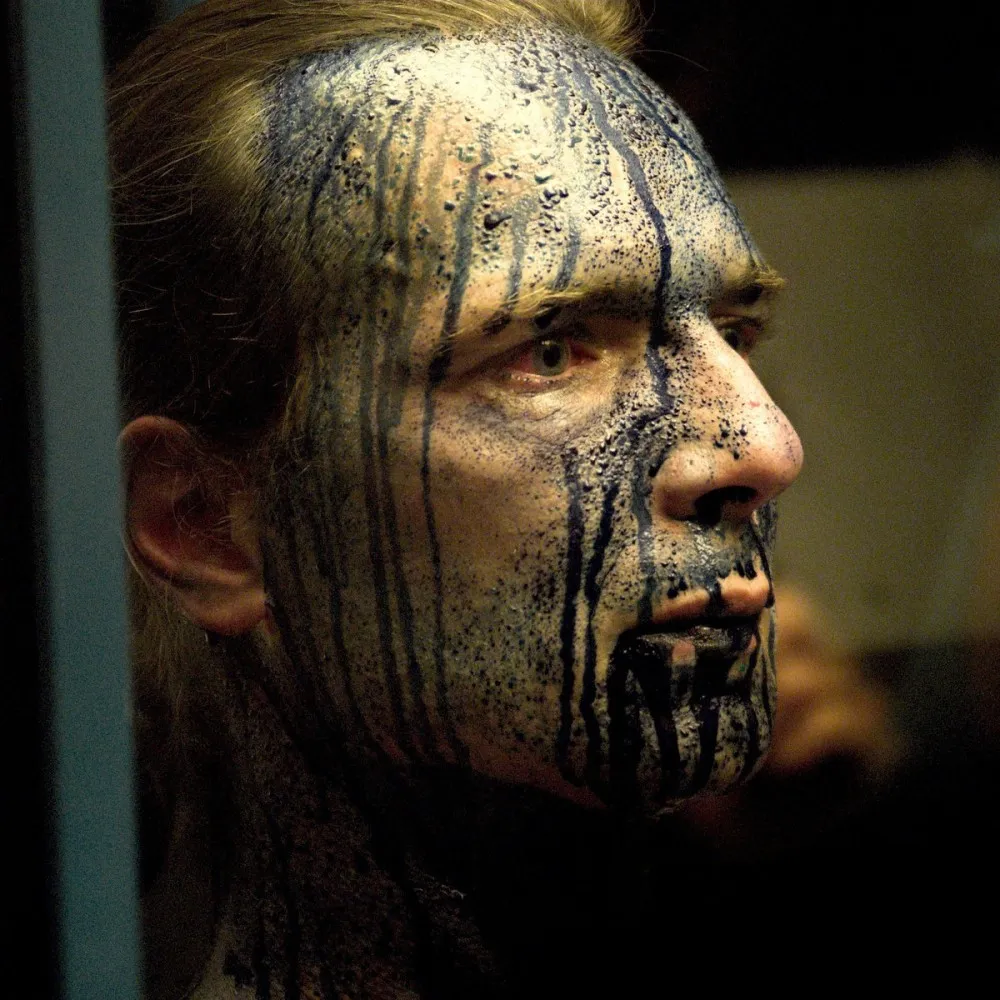
BioArt is characterized by its use of scientific methods and materials, crafting works that exist within the continuum of biomateriality—from DNA, proteins, and cells to entire organisms. This unique approach allows artists to manipulate and modify biological processes, directly intervening in the networks of the living. The material specificity of life in BioArt is irreplaceable by nonliving matter such as acrylics, paper, pixels, or steel, which sets it apart from other art forms. […]
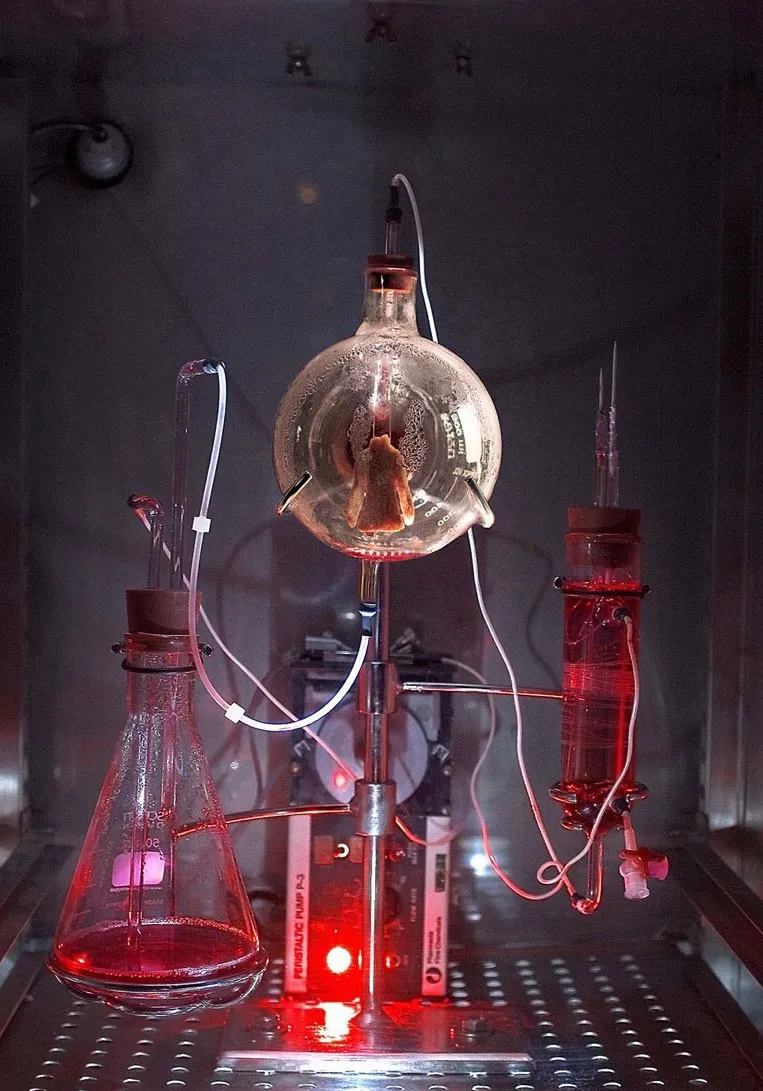
The field of BioArt boasts a rich history, with notable bioartists employing genetic engineering, bacteria, and other biological techniques to realize their visions. For instance, artists might use bacteria to ‘paint’ on petri dishes or leverage genetic modification to develop living artworks. These creations reflect the complexity and diversity of life, highlighting the unpredictable and evolving nature of living organisms, which endows BioArt with a dynamic quality unmatched by traditional art forms. […]
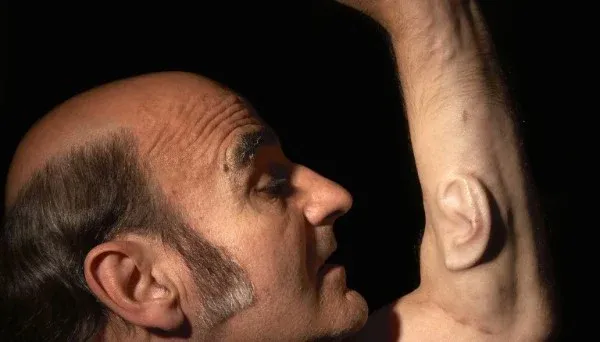
Ultimately, BioArt is dedicated to fostering a relationship between artistic and scientific research, focusing on living organisms and the practices of biology and life sciences. It represents a convergence of creative expression and analytical principles, offering a profound commentary on the nature of life and our interaction with it. Through BioArt, we are invited to explore the intricate dance between art and science, where the living canvas tells a story of existence, evolution, and the profound mysteries of life itself.
Visionary Perspective
The market for BioArt is not extensively quantified like traditional art markets. For those interested in investing or purchasing BioArt, it is recommended to follow exhibitions and galleries specializing in contemporary and experimental art, as well as stay informed about leading BioArtists and their latest projects. This will provide a better understanding of the market dynamics and pricing trends within this unique field. In this issue, I list Bioartists, not startups.
Eduardo Kac
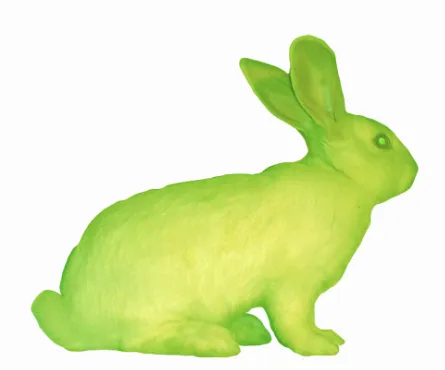
Eduardo Kac is internationally recognized for his groundbreaking work in contemporary art and poetry. In 1997 the artist coined the term “Bio Art,” igniting the development of this new art form with works such as his transgenic rabbit GFP Bunny (2000) and Natural History of the Enigma (2009), which earned him the Golden Nica, the most prestigious award in the field of media art. In 2017, Kac created Inner Telescope, a work conceived for and realized in outer space with the cooperation of French astronaut Thomas Pesquet. In 2024, Kac’s Ágora flew to deep space aboard the Centaur rocket and is now in a perpetual heliocentric orbit. His work is part of the permanent collections of the Museum of Modern Art in New York, the Victoria & Albert Museum in London and ZKM in Karlsruhe, and he is represented by Henrique Faria gallery in New York.
- You can reach “What Bio Art Is: A Manifesto” by clicking.
Ana Laura Cantera
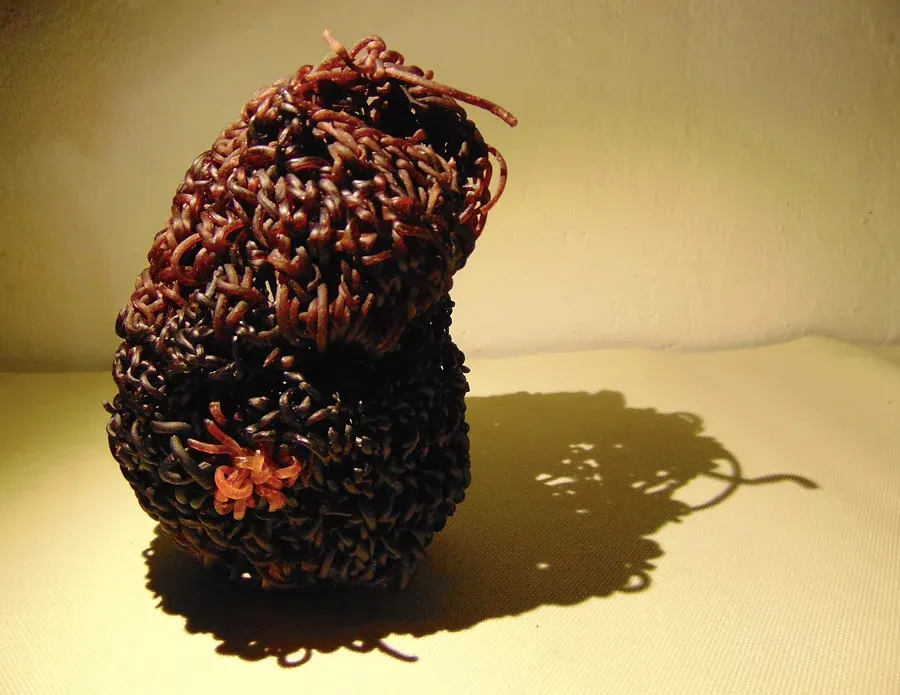
Ana Laura Cantera is a bioelectronic artist, researcher, and professor. In her artistic productions, she works with the concepts of nature, territories, and horizontal entanglements with non-human organisms from decolonial perspectives. She is a developer and creator of biomaterials, specialized in grown designs from mushroom mycelium. The fluids that are part of the female cycle have always been considered ominous, despite being a fundamental part of life’s pulse. Ana Laura Cantera reverts this prejudice by creating a weaving of bio-threads composed of menstrual blood and algae. […]
Anna Dumitriu
Anna Dumitriu is an award-winning, internationally renowned artist who works with BioArt, sculpture, installation, and digital media to explore our relationship to infectious diseases, synthetic biology, and robotics. She is an artist in residence on the Modernising Medical Microbiology Project at the University of Oxford, and her work is held in major public collections including the Science Museum London and the Eden Project. She was also the lead artist on the Creative Europe-supported project “Trust Me, I’m an Artist,” which investigates the novel ethical problems that arise when artists create artwork in laboratory settings. In May 2026, she opened her major exhibition “BioArt Transformations” in Brighton and Hove, premiering new works created with scientists from across the world. Her latest series, “Infusoria,” includes felted artworks exploring the fragile microbiome, pieces incorporating sterilised antibiotic-resistant bacteria, and new work on the health of water systems. […]
Ken Rinaldo
Ken Rinaldo is internationally recognized for interactive art installations developing hybrid ecologies with animals, algorithms, plants, and bacterial cultures. His art/science practice is a platform for hacking complex social, biological, and machine symbionts. Inventing and constructing techno interfaces allows illumination and amplifies the underlying beauty and intertwined symbiosis in natural living systems. Rinaldo’s works focus on theories of life, symbiogenesis, and transspecies communication and provide models for how technological systems can use structural and process lessons from nature to be more sensitive to all living species. Bio-art, interactive installation, non-violent action, animation, food systems, transspecies artworks, robotic sound sculpture, and rapid prototyping are all areas of expression. […]
Rinaldo’s work: Opera For Dying Insects (2020)
Amy Karle
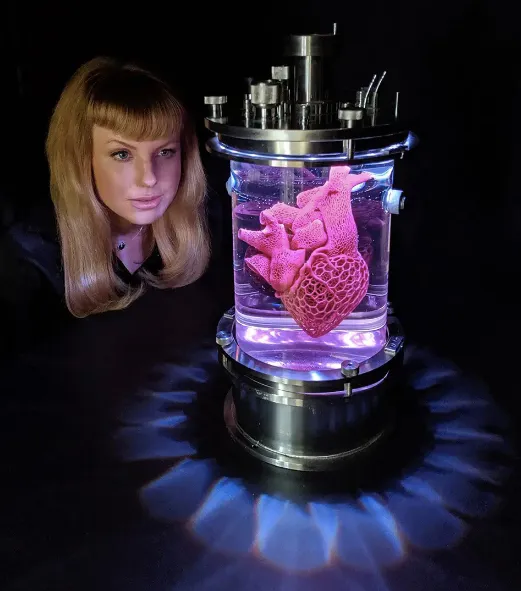
Amy Karle is an internationally award-winning ultra-contemporary artist working at the nexus of where digital, physical and biological systems merge. Karle is also a provocateur and a futurist, opening future visions of how art, science, and technology could be utilized to support and enhance humanity while making advancements in the technology towards those goals in the process of making her artworks. Her work has been exhibited at institutions including Centre Pompidou, MoMA, Mori Art Museum, The Smithsonian, Ars Electronica and Triennale Milano, as well as in space and on the Moon. She was named one of the BBC’s 100 most inspiring and influential women and served as an Artist Diplomat through the U.S. Department of State. […]
Marta de Menezes
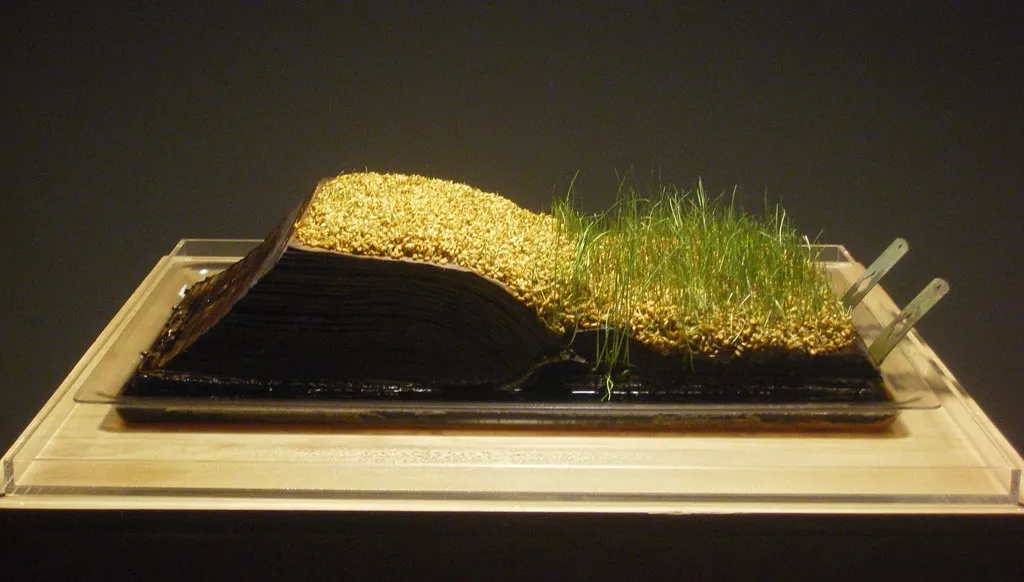
Marta de Menezes is a Portuguese artist, with a Degree in Fine Arts from the University of Lisbon and a MSt from the University of Oxford. De Menezes is director of Cultivamos Cultura, the leading institution devoted to experimental art in Portugal and Ectopia, dedicated to facilitate the collaborative work between artists and scientists. Marta de Menezes has worked in the intersection of art and biology since the late 90s, exploring the conceptual and aesthetic opportunities offered by biological sciences for visual representation in the arts. […]
If you are interested in BioArt, whether as an institution, a collector or a curator, and would like to explore collaborations in this field, feel free to reach out to me. I’d be happy to exchange ideas.
The information in this section was last updated in September 2026. Exhibitions, awards and artist details may have changed after this date.
🎬 Film Suggestion: Heaven + Earth + Joe Davis (2010)
The genius, artist, philosopher, scientist, dumpster-diver, Joe Davis started making crystal radios as a child, nurturing a lifelong fascination with electro-magnetics, DNA and the nature of the universe. Art and science fuse in his work; whether creating a genetically modified apple designed to tempt the Devil, recording the sounds of micro-organisms or encoding Greek philosophy into fly DNA. After Joe explains the broadcast of the harmonic frequencies of vaginal contractions into space as a comment on the censorship of gender by the space program, the universe no longer appears the same.
Expert Perspective
I asked two questions to Dr. Melentie Pandilovski , Pier Luigi Capucci , and Oron Catts , who are experts on BioArt.
Q1- What does BioArt mean to you?
Melentie Pandilovski: I have been involved with BioArt through curatorship, editing and writings on BioArt since the late nineties and have been actively involved in promoting and showcasing BioArt as a significant art form that combines biology, technology, and contemporary art practices.
BioArt obviously holds great significance as a platform for exploring the intersections between art, science, and technology. I have found it fascinating that BioArt is able to give deep insight into the intersections between art and science, playing host to the intricacies of life, technology, and the human interaction with the living world.
BioArt is also a means… Click to read more.
Pier Luigi Capucci: I have been interested in the art/science relations since more than 30 years. In this field bioart is one of my topics of research, since it projects art in new territories, dealing with organic matter, life, evolution, environment, new life forms (that I have called Third Life), and so on.
Q2- What do you think about the revolutionary impact of BioArt?
Melentie Pandilovski: There seem to be several sub-questions folded into one.
- The first sub-question is about the realising of the revolutionary potential and eruption of BioArt onto the general art scene, versus its consent to standard rules and regulations applied generally in art & culture. I would answer that question by saying that BioArt possesses a revolutionary potential by embracing innovations and experimentation; impacts society by establishing formal and unformal relationship with scientific labs; pushes the boundaries of what art can be; and challenges conventional notions of creativity. This has often involved the exploration of the social and ethical implications of biotechnology, genetics, various scientific advancements, the manipulation of living organisms, and addressing sustainability in general. BioArt has also shown its revolutionary potential by making science more accessible to the general public and assisting in visualising complex scientific concepts and processes.
- The second sub-question refers to… Click to read more.
Pier Luigi Capucci: Bioart has put the focus on organic life as matter/tool for creation, a new field (except the body arts). This has raised many new philosophical, technical, scientific, aesthetic, ethical issues. Art has always represented the living since the drawings in the caves in prehistory. Bioart gives a great contribution to understanding what life is and what can be, and more in general on what the living is, going beyond the bare representation of life.
Oron Catts answered my two questions with one statement: I feel that, in some way or another, Bioart deals with the fundamental question of what life is, and what we can do with it. To a wide extent, this is a fraught question, as it stems from the acute poverty of our language(s). We have one word to describe this very complex, nuanced and, sometimes, contradictory thing we call Life. Much of what happens in biological labs is confronting our long-standing cultural ideas as to what life is. This becomes apparent when “life is becoming a technology, a raw material waiting to be engineered; thus, providing a new palette of artistic expression in which life is both the subject and object.”
Scientist and engineers are engaged daily with radical approaches to life, driven by a very focused mindset of control. In many cases, decisions about what is done to life seem to be taken haphazardly. This makes sense, as much of this research stems from reductionist, narrow, and specific “problem solving” scientific and engineering methodologies. Nevertheless, the accumulated impact of the small changes to life exposes unintentional ontological breaches, and call for the urgent need for cultural and artistic scrutiny of the concept of life. This scrutiny goes beyond the Human to involve nonhuman agents, through direct and experiential engagement.
Therefore, Bioart deals with the theory, practice, application, and implications of the life sciences. Creating a platform that actively engages in raising awareness, by proposing different directions in which knowledge can be applied and technology employed. This can be seen as cultural scrutiny in action, articulating and subverting our ever-changing relations with life. Much of the work of bioartists seems to be transgressive, trespassing into areas where ‘art should not go’. It is important to note that Bioart does not generate much new biological knowledge, but rather culturally frame and articulate meaning to the manipulations of life that have become commonplace within the scientific laboratory.
Elif Damla Karakolcu : Many thanks to Oron, Pier and Melentie for answering my questions and agreeing to be with me in this issue.
📰 SUBSCRIBE TO MY LINKEDIN NEWSLETTER
If you liked this newsletter article, I hope you’ll consider being a regular subscriber. 🙏
Just scroll up to the very top and click that SUBSCRIBE button.
Originally published on LinkedIn.